
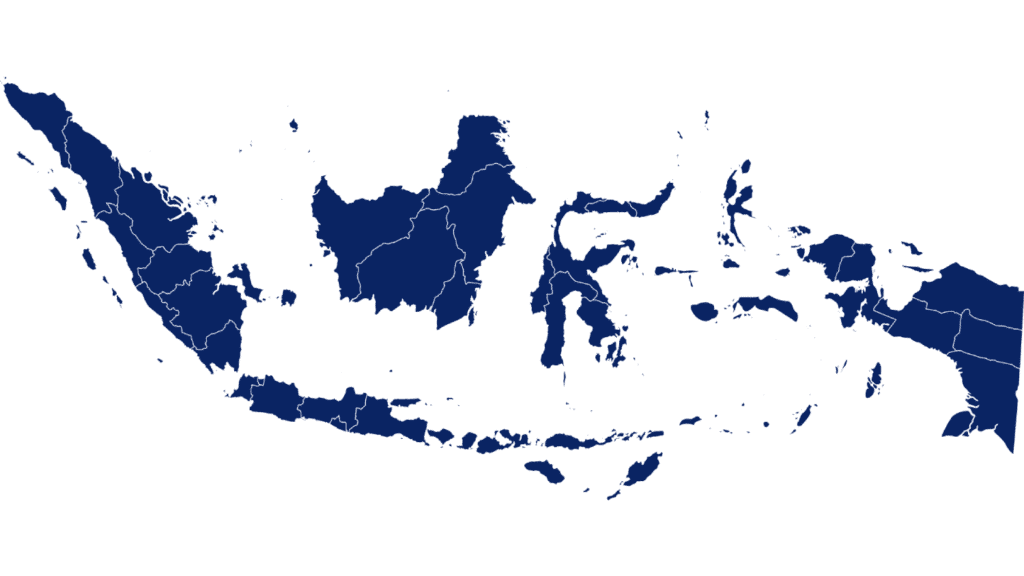
Welcome to Indonesia! A country in Southeast Asia with a myriad of beautiful sights to explore. As a beginner, don’t even try before preparing for your trip. With this Indonesia travel guide, you will be better prepared for your trip.
In this guide, you will learn about visiting Indonesia for the first time as a tourist. Topics covered include:
- VISA requirements
- Best time to visit
- Cultural etiquette
- Cost-saving tips
- Route planning
- Ferry schedules & public transportation
- Logistics planning
- Best locations for remote workers
- Co-working spaces
- Wi-Fi reliability
- Expatriate community centers
VISA Requirements
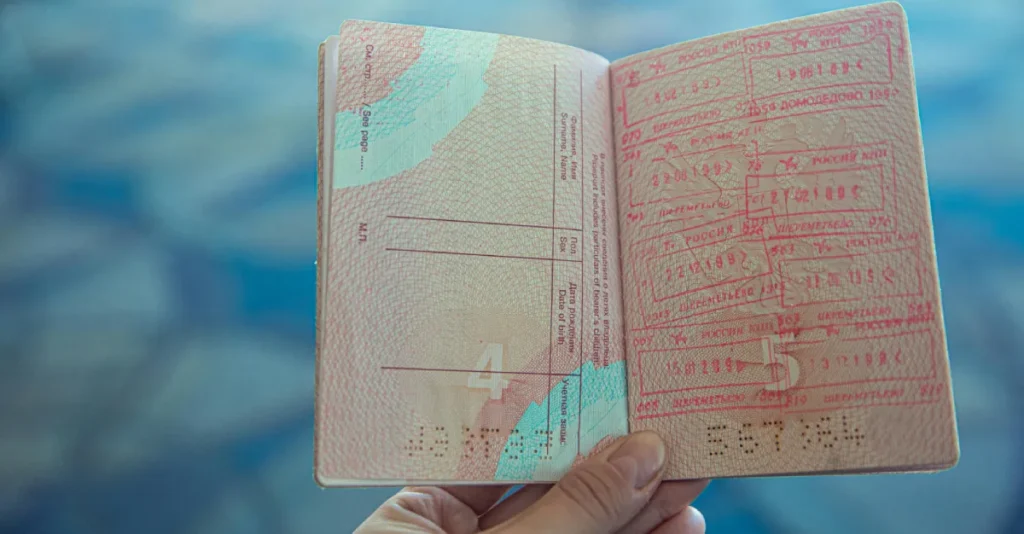
Indonesia offers various types of visas, but the easiest to obtain are VOA (Visa on Arrival) and e-visas, which allow foreign tourists to stay for a maximum of 30 days. In addition, there are visit visas and work visas for longer stays.
Important documents to prepare include a passport (valid for at least 6 months), return transportation tickets, proof of accommodation, proof of financial means (if requested), and it is recommended to have travel insurance.
For practical tips, don’t forget to check the specific visa rules for your nationality on the official immigration website for more detailed information. Also, prepare digital copies of important documents. If you are using a VOA, make sure to always have cash or a card ready for payment at the airport. And always pay attention to the stay limit and procedures for extending your stay (if necessary).
Best Time to Travel in Indonesia

Indonesia has two main seasons: the dry season, which occurs from April to September, and the rainy season, which occurs from October to March. There are various variations between islands (explained further in each destination).
Be sure to plan your activities. For example, for beach activities, snorkeling, diving, and island hopping, the best time is the dry season. If you want to go mountain trekking, such as Bromo, Ijen, or Rinjani, the best time is also the dry season. And if you want to attend cultural festivals, be sure to check the local calendar.
As an alternative, you can visit during the transition season (April and October). These times usually offer relatively good weather with lower prices and fewer crowds.
Always pay attention to the local calendar, because Indonesia has many holidays (not just Saturdays and Sundays). There are many national holidays and holidays for each religion (Islam, Christianity, Hinduism, Buddhism, and Confucianism). On these days, there are usually many local tourists.
Indonesia Travel Guide: Cultural Etiquette
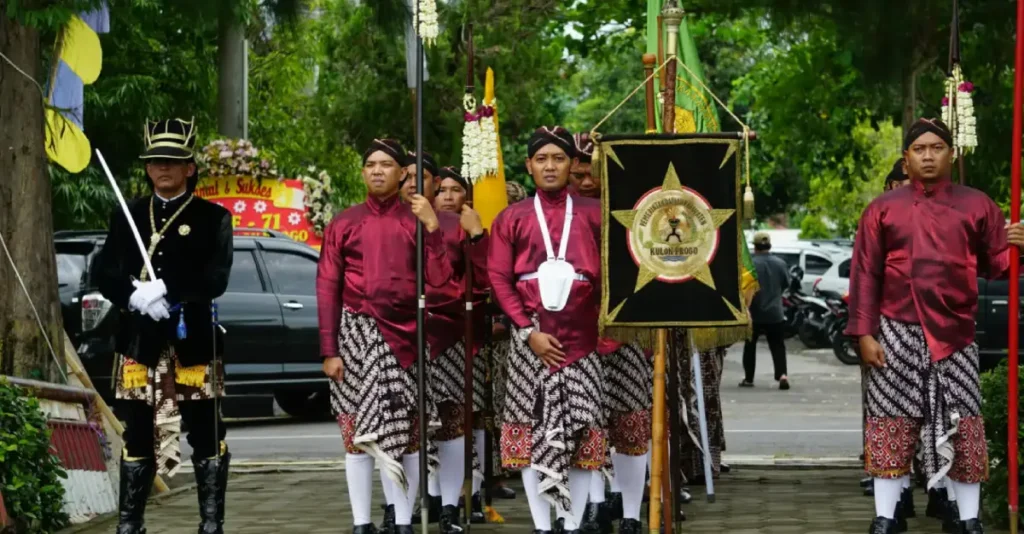
As a visitor, you must always be mindful of the culture. Indonesian society places great importance on etiquette. Don’t forget basic manners, such as greeting people warmly, avoiding shouting in public spaces, and showing respect to elders and community leaders.
If you want to visit a place of worship, always wear modest clothing. Remove your shoes if necessary. And always ask for permission if you want to document a ceremony or take a photo of someone.
Not all regions of Indonesia have the same norms and rules. Indonesia consists of various ethnic groups and cultures, and there are certainly differences in norms between regions and cultural groups. For example, Javanese customs are very formal regarding manners. Bali has strict temple rules. And many local communities outside of Java have sensitive regulations for visitors. Always learn about local customs before going there.
Understand everyday social interactions, such as simple gifts and humble attitudes, which are highly valued. Give tips politely if you are satisfied with the service. Always ask for permission if you want to document a traditional activity or take photos of people.
Budget Travel Tips
To plan a budget-friendly Indonesia travel plan, here are some principles for spending less than $35 per day, along with some tips:
- Approximate expenses: simple accommodation ($10 – $15), meals ($6 – $10), local transportation ($3 – $6), unexpected expenses ($2 – $6)
- Strategy: Choose budget accommodations, eat at local eateries, use public transportation and land routes when possible, and set aside emergency funds.
Tips for choosing affordable accommodation
- For practical options, you can choose a local guesthouse, dorm hostel, or homestay. Prioritize cleanliness and a location close to public transportation.
- If you want to get a cheaper rate, book in advance using an app (if staying 2-3 days). If you want to stay longer, it’s better to contact the owner directly and negotiate the price (e.g., for a week or more).
Tips for eating and shopping on a budget
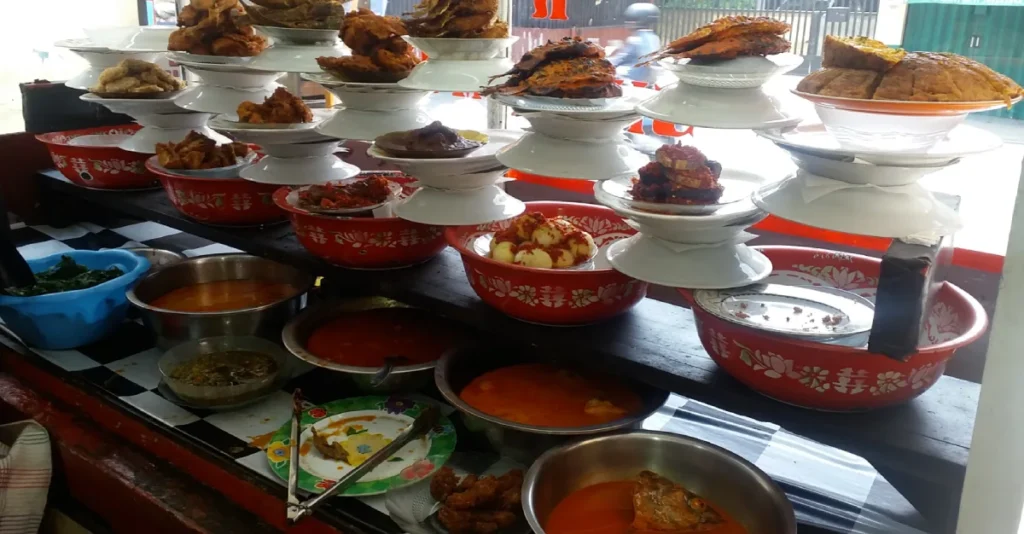
- Eat cheaply and nutritiously: Padang food stalls, rice stalls, warteg (small restaurants). Choose nutritious foods such as tofu/tempeh, vegetables, and local fish/chicken. Avoid eating at specific restaurants/eateries that have brands (they are usually more expensive). If you want affordable local dishes, look for them in the evenings, usually sold by street vendors (fried rice, chicken noodles, meatballs, etc.).
- Budget shopping: Visit traditional markets for daily needs, always bring a refillable water bottle to save on packaged drinks. Or always buy 1500 ml of bottled water instead of 600 ml.
Budget transportation tips
- Within the city: Use online transportation services such as Gojek or Grab in the city center (busy areas). If you are in a less populated area, you can rent a scooter (motorcycle).
- Intercity: Avoid flying; there are many options, such as economy trains and intercity buses. There are now many comfortable intercity buses (non-economy) at affordable prices (but usually only for busy routes). You can check the Redbus app. For trains, you can check the KAI Access app for more detailed train schedules.
- Safety & Savings: Always check the condition of the vehicle and its accessories (like helmets) when renting. If driving at night, avoid quiet routes (off the main roads). Compare app rates to get the best deals.
Island Hopping

Indonesia is vast and consists of tens of thousands of small islands. If you want to explore it fully, you will need to travel from island to island. This is because not all islands are tourist-friendly. Some areas support tourism, while others do not. If you choose the wrong route, you may encounter difficulties later on. Here are some tips you can use:
- Some popular routes include: Bali -> Nusa Penida -> Gili Trawangan (Lombok). Then there is Gili Trawangan (Lombok) -> Sumbawa -> Komodo. Another popular route is Batam -> Bintan -> Karimun.
- For an ideal duration, you can spend 2-4 days per small island if you want to take it easy. Always plan for a buffer day in case of transportation issues due to weather conditions.
- You can check Ferizy for a more detailed schedule
To travel between islands in Indonesia, use ferries for cheaper and more relaxed travel. Here are some tips for you:
- Types of services: There are several types of ferry services, such as government ferries (cheaper, but slower) or fast boats/swift boats (faster, but more expensive), and there are usually several routes that are active during certain seasons.
- Practical tips: Always check the official port schedule and local fast boat operators. Always book tickets in advance, especially during peak season, and don’t forget to read the cancellation and refund policies.
Logistics planning tips:
- Connectivity: Combine ferries with local flights when your time is limited, and always pay attention to the last ferry schedule so you don’t get stranded.
- Preparedness: Always prepare equipment for emergencies, such as dry bags, seasickness medication, and spare clothing. Keep important documents in waterproof bags.
- Plan B: Always have a backup plan ready, such as emergency accommodation near the port in case of schedule changes. Keep the numbers of local transport operators and agents handy.
Digital Nomad Guide

Here are recommendations for the best places to work remotely
- Popular locations: in Bali, you can choose Canggu and Ubud. On the island of Java, you can go to Yogyakarta (city) and Bandung for lower costs and culture. Choose Jakarta for international connectivity, Lombok for tranquility.
- If choosing a random location, ensure it has reliable internet, a clear community, affordable living costs, adequate healthcare facilities, and international access via an airport. These locations are typically provincial capitals. For example, in West Java, it would be Bandung. If choosing North Sulawesi, it would be Manado. And so on.
Shared workspace:
- There are many types of places to look for, such as professional coworking spaces, co-friendly cafes, and coliving spaces with work support facilities. Always make sure that printing facilities, meeting rooms, and community events are available. Usually, co-working cafes are the most widely available.
- Always consider membership. Adjust it to your stay duration, which can be daily, monthly, or weekly.
Wi-Fi reliability:
- Always ensure you have a connection that supports your performance. Large cities (provincial capitals) have better connections. Remote areas are more difficult.
- Backup connectivity: Always ensure you have backup connectivity. Purchase a local SIM card with a large internet package. Use a portable modem (MiFi) and set up a VPN if using public Wi-Fi (do not use open Wi-Fi).
Expat community hub:
- To find a community, you can search local Facebook groups, coworking events, meetups, startup networking events, and language events.
- Benefits: opportunities to collaborate, get local information (accommodation, legal), and gain access to professional events.
- Ethics and involvement: always actively contribute, respect community rules, and maintain professional local relationships.
Indonesia Travel Guide Practical Checklist
Before departure
- Documents: Passport valid for 6 months, visa, and digital copies of documents
- Health and safety: insurance, recommended vaccinations, personal medications
- Finances: always have cash withdrawal options and cards ready. Bring several for payments
On location
- Communication: Don’t forget to buy a local SIM card, note down local emergency numbers, and the location of the embassy.
- Cultural etiquette & safety: Always learn local norms, keep your valuables safe, and always respect sensitive areas.
- Technical backup: Always back up your work data, supporting equipment (chargers & adaptors), and backup internet connection.
Last recommendations:
- Always choose a travel style that suits your taste (relaxed, adventurous, or remote work).
- Plan with flexibility (weather and sea transportation often change).
- Always respect the local community and environment to ensure your Indonesia travel experience is safe and meaningful.